

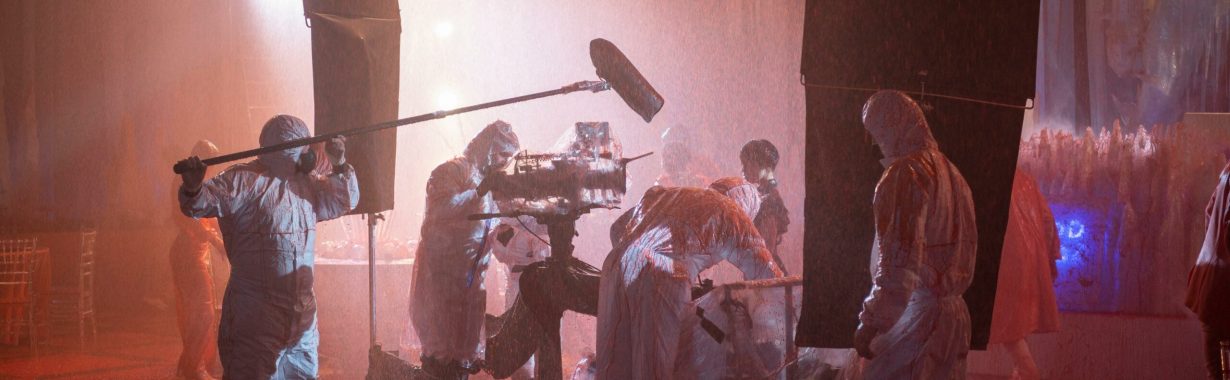
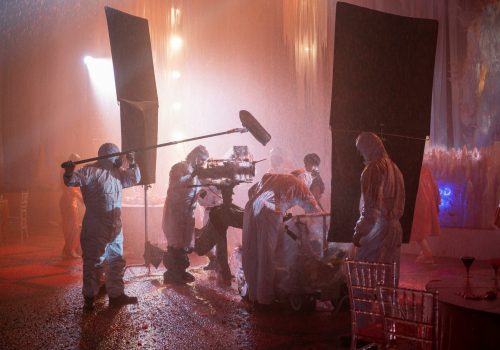
The film industry thrives on creativity and collaboration, but production environments also present real-world safety risks. From high-heat lighting setups and temporary power distribution to elevated rigging and fast-paced shooting schedules, film crews regularly work around conditions that can become dangerous without proper safety procedures in place.
This is where the Occupational Safety and Health Administration (OSHA) plays an important role. OSHA establishes workplace safety standards across many industries, including entertainment production, with guidelines covering areas such as personal protective equipment (PPE), electrical safety, fall protection, noise exposure, and emergency preparedness.
In this post, we’ll explore key OSHA concepts relevant to film and television production, discuss common on-set hazards, and break down how productions typically approach safety gear policies and reimbursement procedures. We’ll also look at practical steps crew members can take to help maintain safer working environments on set.
Safety on set is more than a compliance requirement – it’s essential to protecting crew members, talent, vendors, and productions themselves.
Film sets often involve:
Without proper planning and safety oversight, these conditions can lead to serious injuries, equipment damage, production shutdowns, or worse.
A strong culture of safety benefits everyone involved. Productions that prioritize training, communication, and proper PPE often see improved efficiency, fewer delays, better morale, and reduced liability exposure.
Additionally, OSHA violations can result in substantial penalties, legal claims, and reputational damage for studios and production companies. Maintaining compliance is not only responsible, it’s also good business practice.
While OSHA does not publish a single “film production” safety manual, many existing workplace standards apply directly to entertainment environments.
Some of the most relevant OSHA standards include:
OSHA also emphasizes emergency preparedness. Productions should maintain clear emergency action plans covering:
Regular safety meetings, toolbox talks, and crew briefings help ensure everyone understands procedures before work begins.
Lighting equipment remains one of the most common heat-related hazards on set. Traditional tungsten fixtures, HMIs, practicals, and certain studio lighting systems can become extremely hot during operation.
Common risks include:
Grip and electric departments are particularly exposed to these risks due to frequent handling and repositioning of lighting equipment.
To reduce hazards:
For crews regularly working around hot fixtures, many professionals use heat-resistant gloves specifically designed for lighting and rigging work. Products like the Setwear HotHand Glove are built with heat-resistant leather, reinforced protection zones, and extended cuffs intended for high-heat production environments. These types of gloves can help reduce exposure to radiant heat when adjusting hot lights, scrims, stands, or grip equipment on set. As with any PPE, crews should still follow proper handling procedures and allow fixtures adequate cooling time whenever possible.
Rigging failures can cause severe injuries or fatalities if equipment is improperly secured.
Safe rigging practices typically include:
Productions should encourage crew members to report concerns immediately if equipment appears unstable or improperly secured.
Open communication is one of the most effective tools for preventing accidents on set.
Hand protection is also important during rigging, cable handling, staging, and grip work. Many crews prefer durable work gloves that balance protection with dexterity. Options such as the Setwear Pro Leather Black Glove and Setwear Stealth Glove Black are popular choices for grip, staging, rope handling, and general production work. The Pro Leather series is built around reinforced leather construction for heavier-duty rigging and cable applications, while the Stealth series focuses on lightweight flexibility, dexterity, and all-day comfort for fast-paced production environments.
Temporary electrical systems are a routine part of film production, especially on location shoots and outdoor sets.
Potential hazards include:
Ground Fault Circuit Interrupters (GFCIs) are commonly used to reduce shock risk in damp or outdoor environments.
Crew members working around power distribution should receive proper training and understand how to identify unsafe conditions before equipment is energized.
In the event of an electrical emergency:
Productions should also maintain accessible first-aid kits and encourage CPR/first-aid certification for department leads whenever possible.
Personal protective equipment plays an important role in reducing injuries during production work.
Depending on the production environment, PPE may include:
Different departments often require specialized gear. For example:
Productions should regularly evaluate whether PPE requirements match the risks associated with specific shooting environments.
Safety on set is not only about major hazards like lighting rigs, elevated work, or electrical equipment. In fast-paced production environments, organization and accessibility can also play an important role in reducing risk and improving workflow.
Many crew members use chest packs, radio harnesses, and wearable utility systems to keep essential tools, radios, batteries, phones, gloves, and notepads secure and easily accessible while moving through crowded sets, staging areas, or live event environments. Keeping frequently used gear organized on-body can help reduce loose equipment, improve mobility, and streamline communication during active productions.
Systems such as the Setwear Radio Chest Pack and Setwear iPad + Radio Chest Pack are designed to help crews keep radios, tablets, phones, batteries, and essential tools secure and accessible while maintaining mobility during long production days. While organization alone does not eliminate workplace hazards, keeping critical communication devices and frequently used gear within reach can help crews move more efficiently and stay focused in demanding production environments.